
Ruskin in Practice
In 2025, Companion Bob Richmond joined colleagues in the UK and Japan in conceiving of a collaborative visit to Japan to explore the many ways in which Ruskinian ideas might be shared and practiced together. We are delighted to publish two reflective accounts of the experience, firstly by Bob and then below that, by fellow Companion Chiaki Yokoyama. Our thanks to them and all their collaborators.
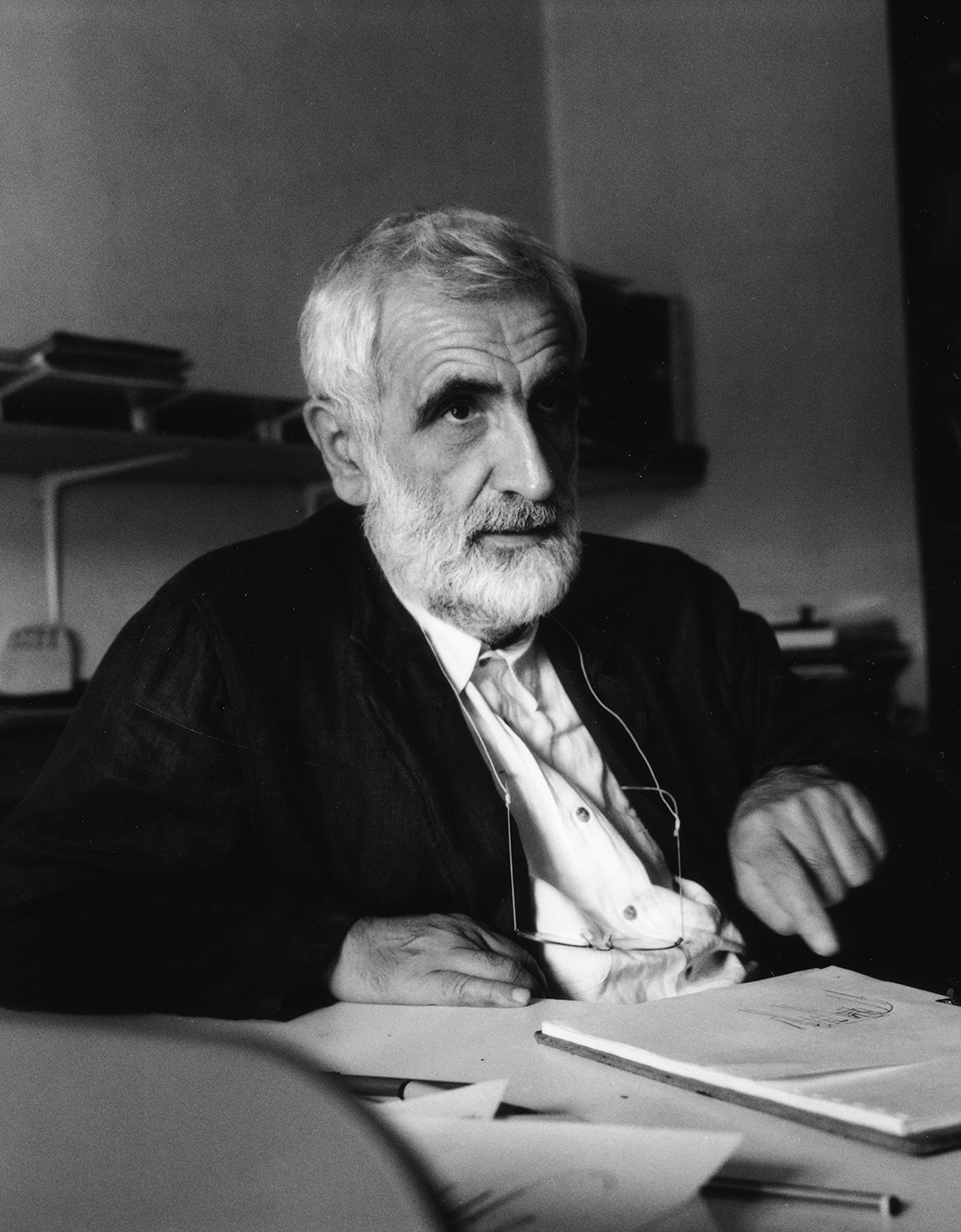
Enzo Mari’s Autoprogettazione / Ruskin in Practice
Enzo Mari
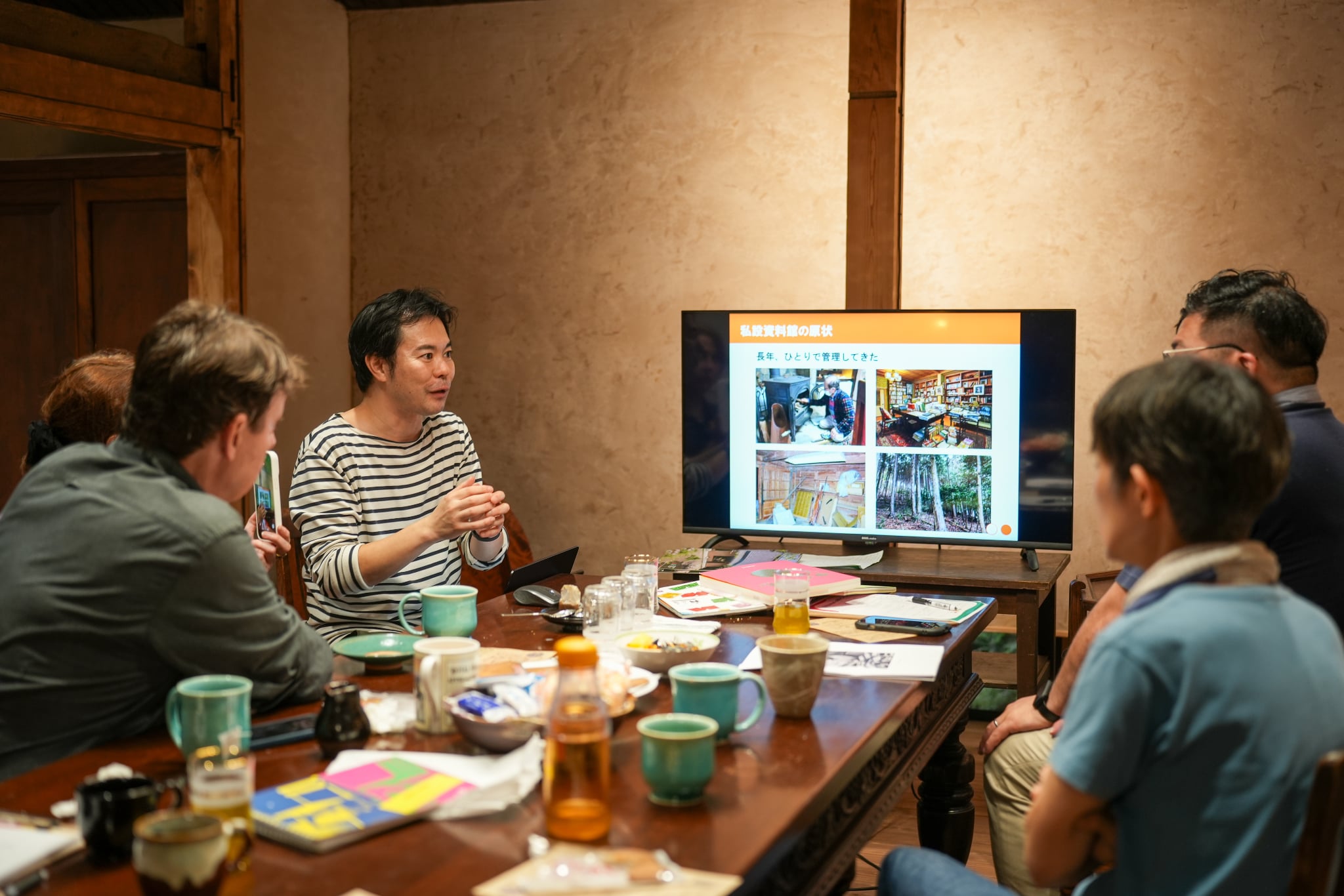
Clarissa Berning and Bob Richmond, both directors of The Motor House Arts CIC, travelled to Japan in October 2025 to further the collaborative dialogue between UK and Japan Companions, and to find out more about the work of studio-L, the design company formed by Ryo Yamazaki, and with the L in its name deriving from Ruskin’s There is No Wealth but Life.
studio-L have created the Community Design Learning Center, near Nose in the Osaka prefecture, an important new space for work and dialogue in emerging field of Community Design, an area of work in which studio-L are prominent leaders. The Center also comprises the Osaka Ruskin-Morris Center, a unique resource of books and letters by both Ruskin and Morris, and which was assembled by Mr. Norio Tsuyuki over many years. When Mr Tsuyuki learnt of Ryo Yamazaki’s work with studio-L, he got in touch and from there an important partnership of understanding emerged, and which has led to the creation a site of crucial interest to all those who are involved in the fields of Ruskin and Morris studies.
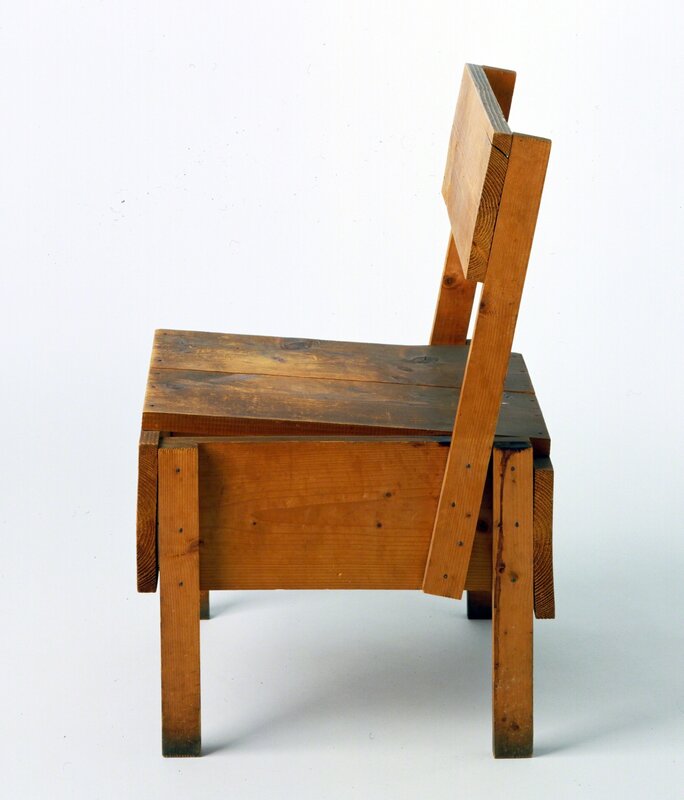
The vehicle for our journey to Japan was Enzo Mari’s 1974 Enzo Mari’s Self-Design Proposal (Autoprogettazione), a project which stemmed from the 1971 ‘failure’ of Mari’s Day-Night sofa-bed, which although having been effectively promoted, did not meet the taste of the public, or as Mari put it, “did not meet the function of status symbol and visibly represent social and economic condition.” Mari stoically accepted this defeat, and continued to seek ways to find a beneficial result for the general public, firmly believing that “if people made a piece of furniture with their own hands, starting from this tangible experience, they could finally start to understand…”
According to Mari, critical reflection is always based on hands-on practice, on direct experience, and for this reason he decided to involve the user in the designing process and in the making of the object. Mari and his assistants created a series of chairs, tables, beds, benches, wardrobes and bookshelves. The materials were collected in a catalogue curated by Centro Duchamp that was published on the occasion of the exhibition presenting the project at the Galleria Milano in 1974.
Mari proposed an anti-industrial design, referring to a pre-artisanal and pre-linguistic context: to the primary structures, with a rudimental constructivism of assembled and nailed-together modular panels, and with a social purpose: to give freely of the designs.
The proposal is therefore a critical exercise in design, the epiphany of project socialisation. Every individual who accepts the invitation to the self-design should not simply replicate Mari’s models, but should introduce changes, create variants even; by self-producing these pieces, users will understand the object’s structural reasons and the issues connected with the design process, improving their capacity of critical evaluation.
Mari set out to establish a design methodology, and the project channels a message of freedom in the name of human self-design. As G.C. Argan wrote, it is an invitation to “think with one’s hands, to ‘make’ one’s own thoughts”.
At its heart our project is about both making and dialogue: how we can further collaborations between the UK and Japan, and more widely still, in order to create new global networks linking education and community-building, and in so doing strengthen our collective resilience.
More centrally, one could argue, it is about seizing the argument that what Morris, Ruskin, and their circle were attempting through their work was nothing less than the creation of a new template for human agency. Their argument with industrial capitalism was not primarily that it produced ugly things, although it did, but that it produced a particular kind of person: passive, de-skilled, dependent, and therefore available for exploitation. The counter-argument was radical in its simplicity: when people understand how things are made, when they possess the knowledge and the means of making, they cannot be so easily deceived about the value of their labour, or the conditions of their lives. Making, in this sense, was a form of political education.
Shortly after we left Japan an important exhibition was staged at 21_21 Design Sight in Tokyo and which featured the work of Enzo Mari alongside other major designers such as Bruno Munari, Achille Castiglione, Max Bill, Otl Aicher, and Dieter Rams.
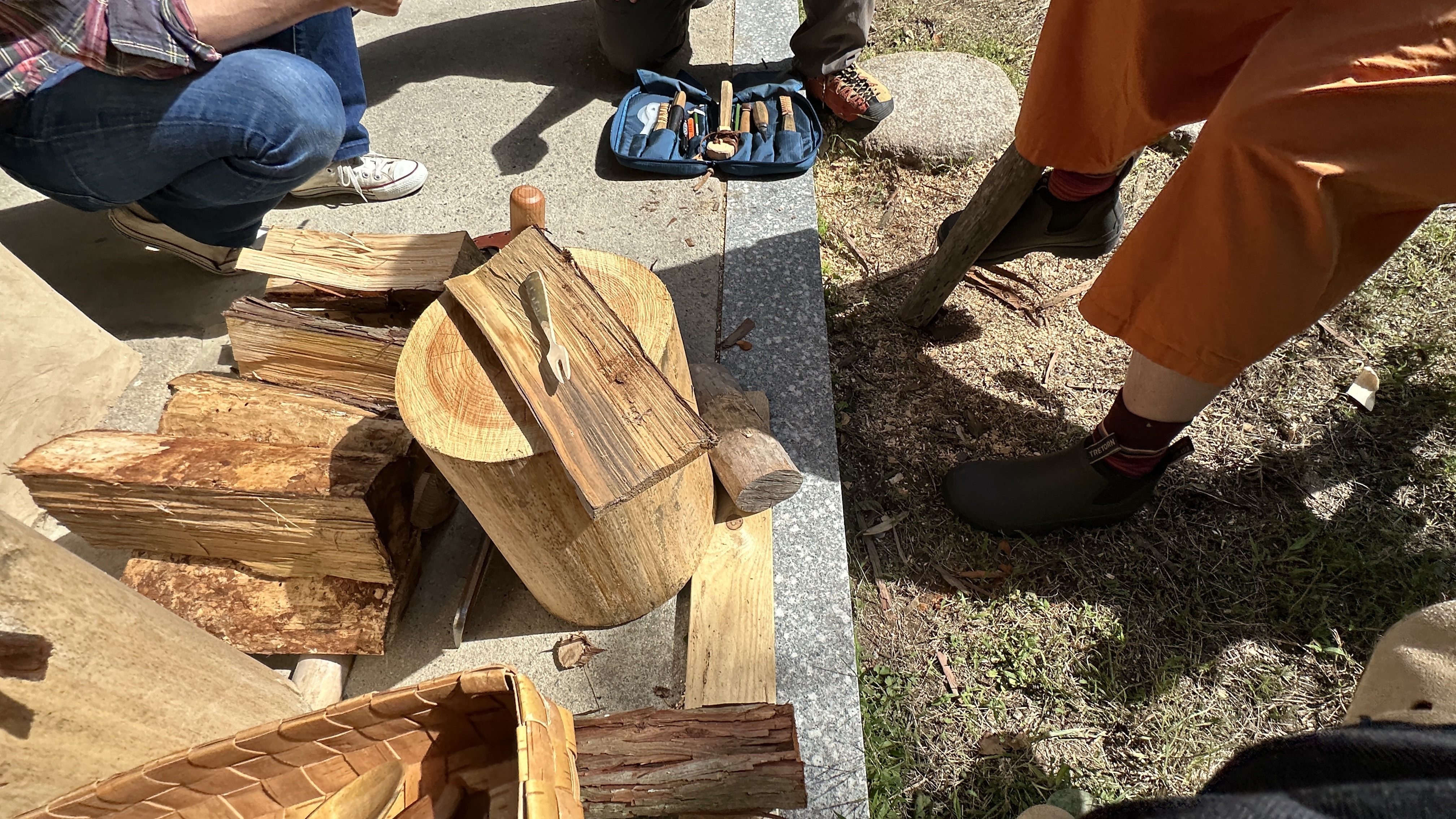
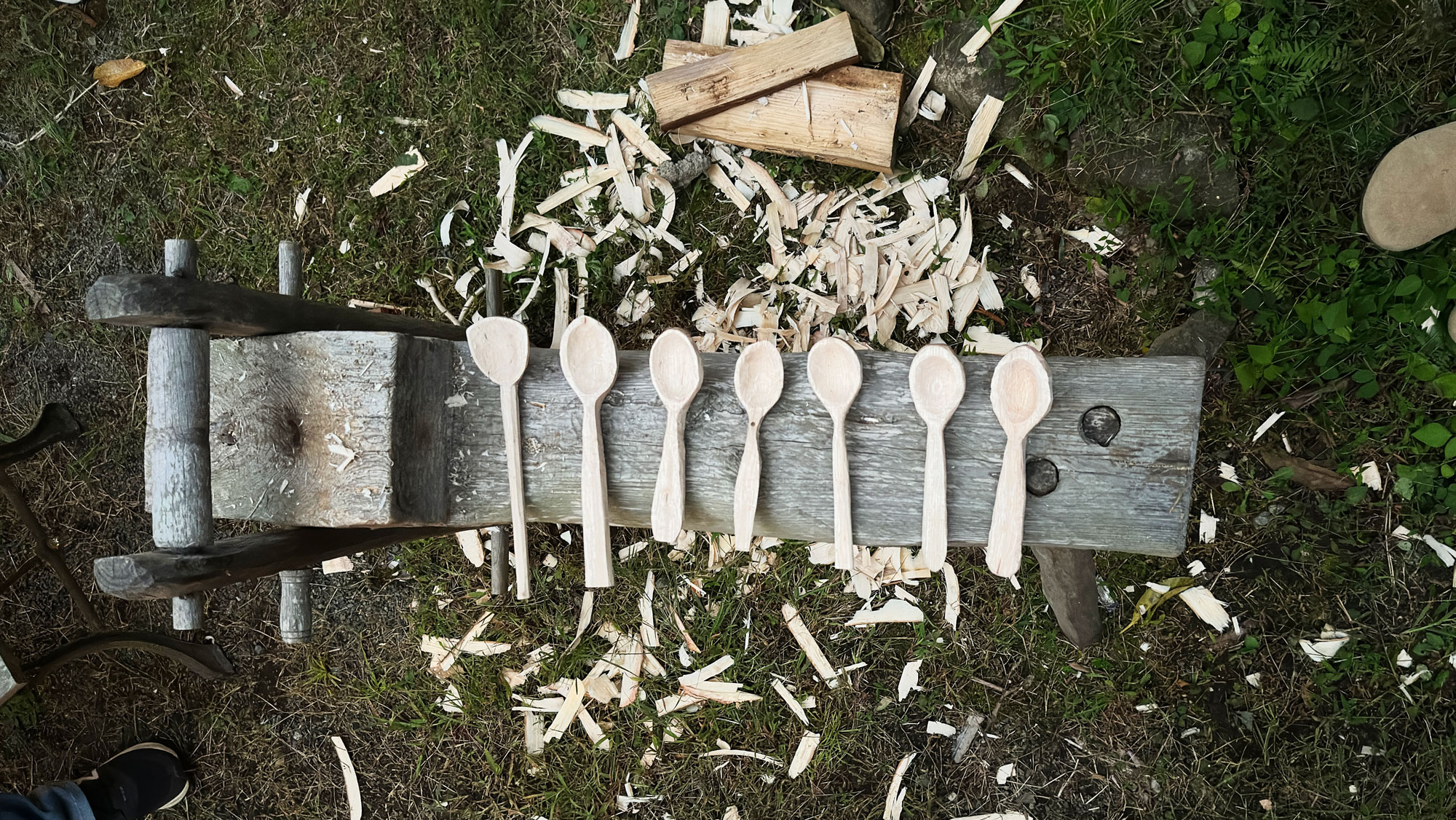
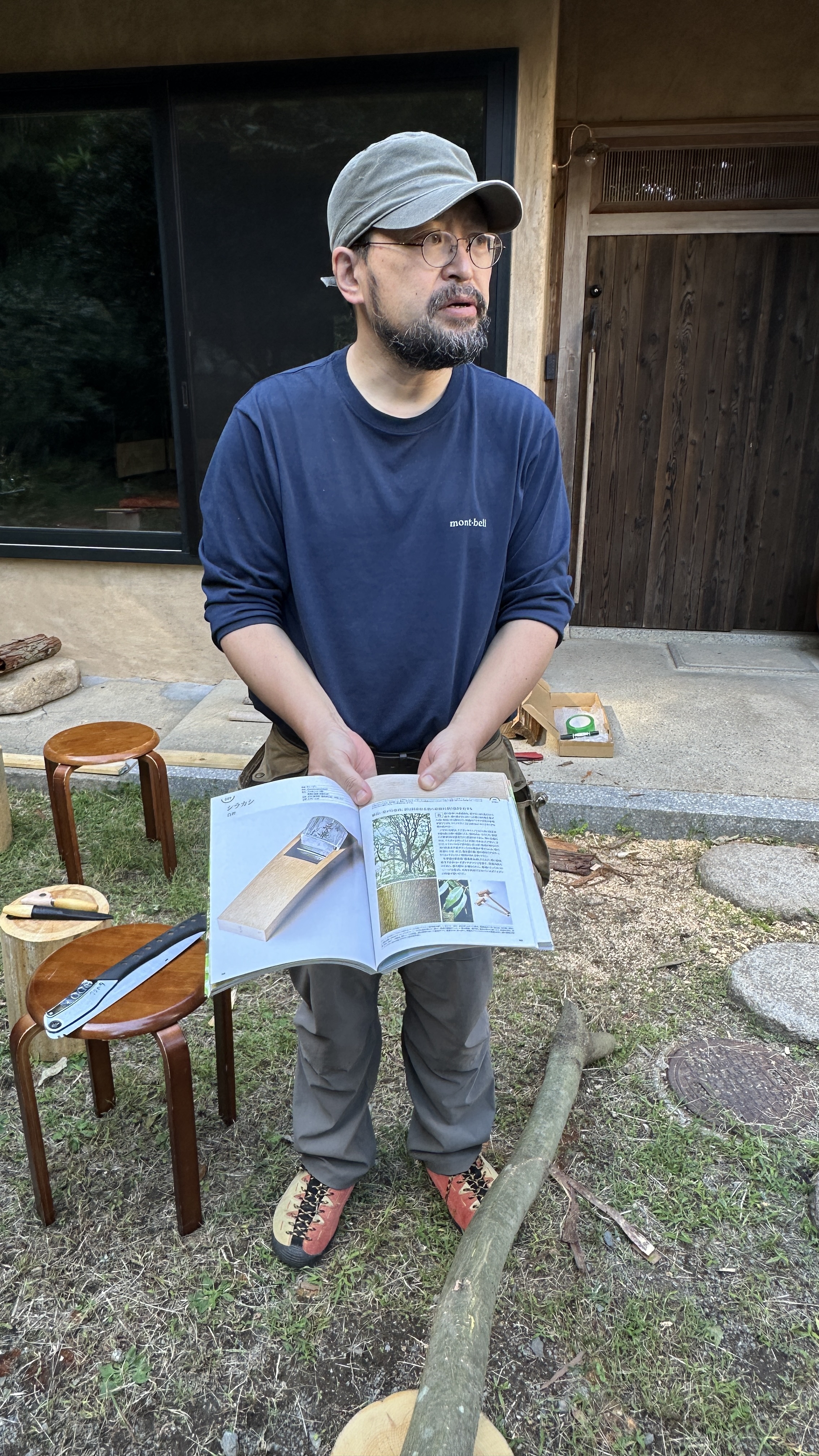
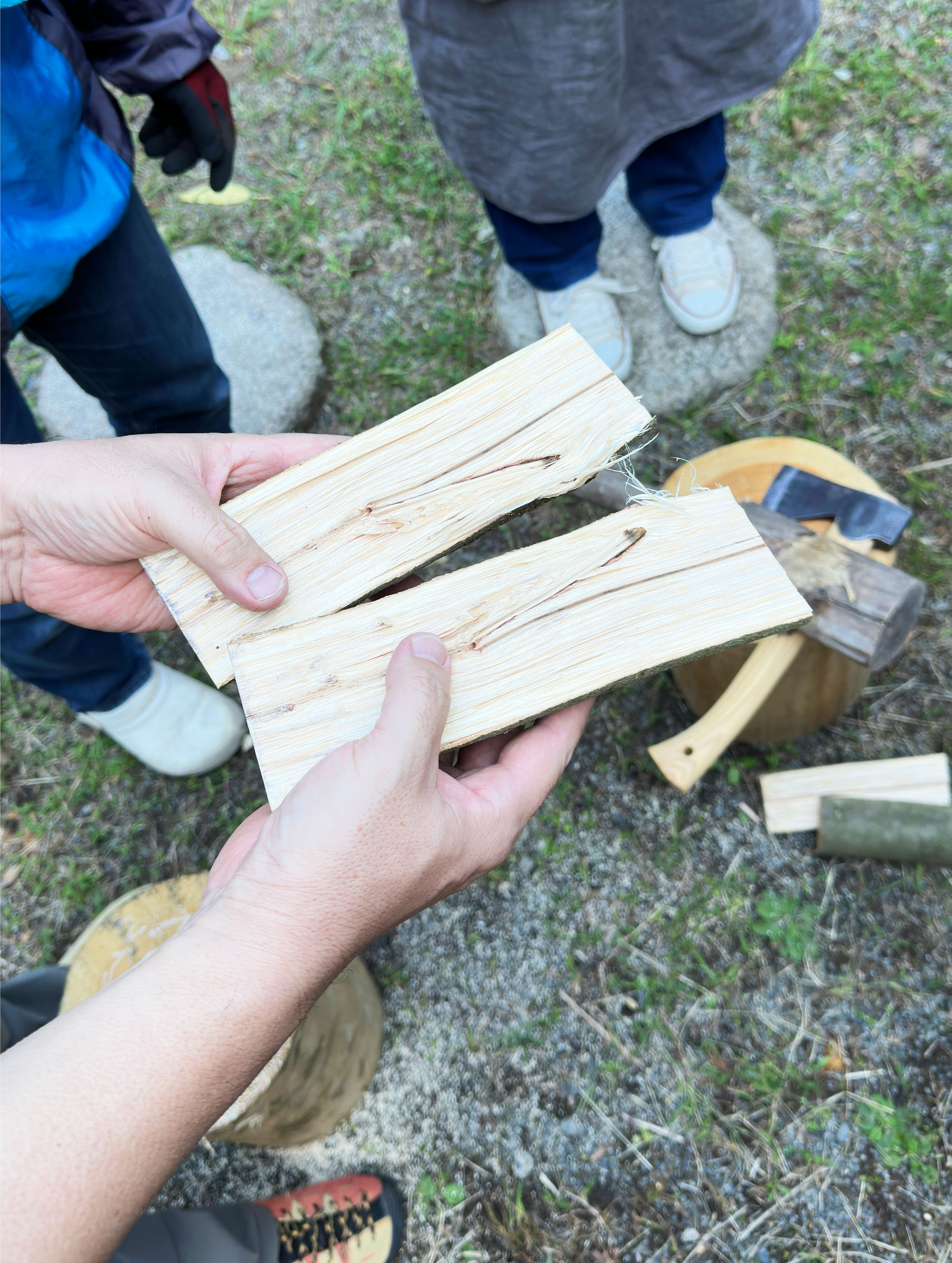
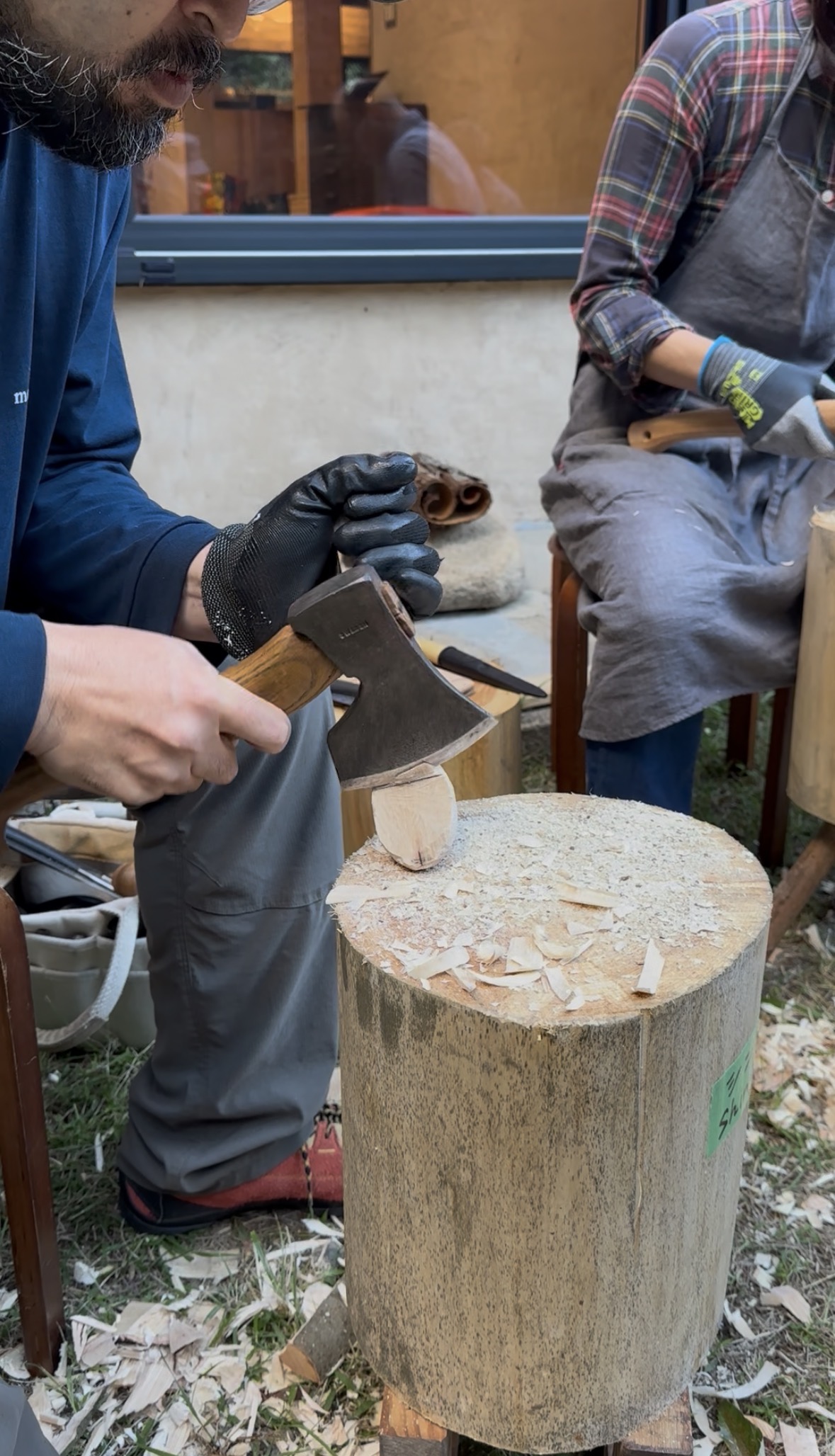
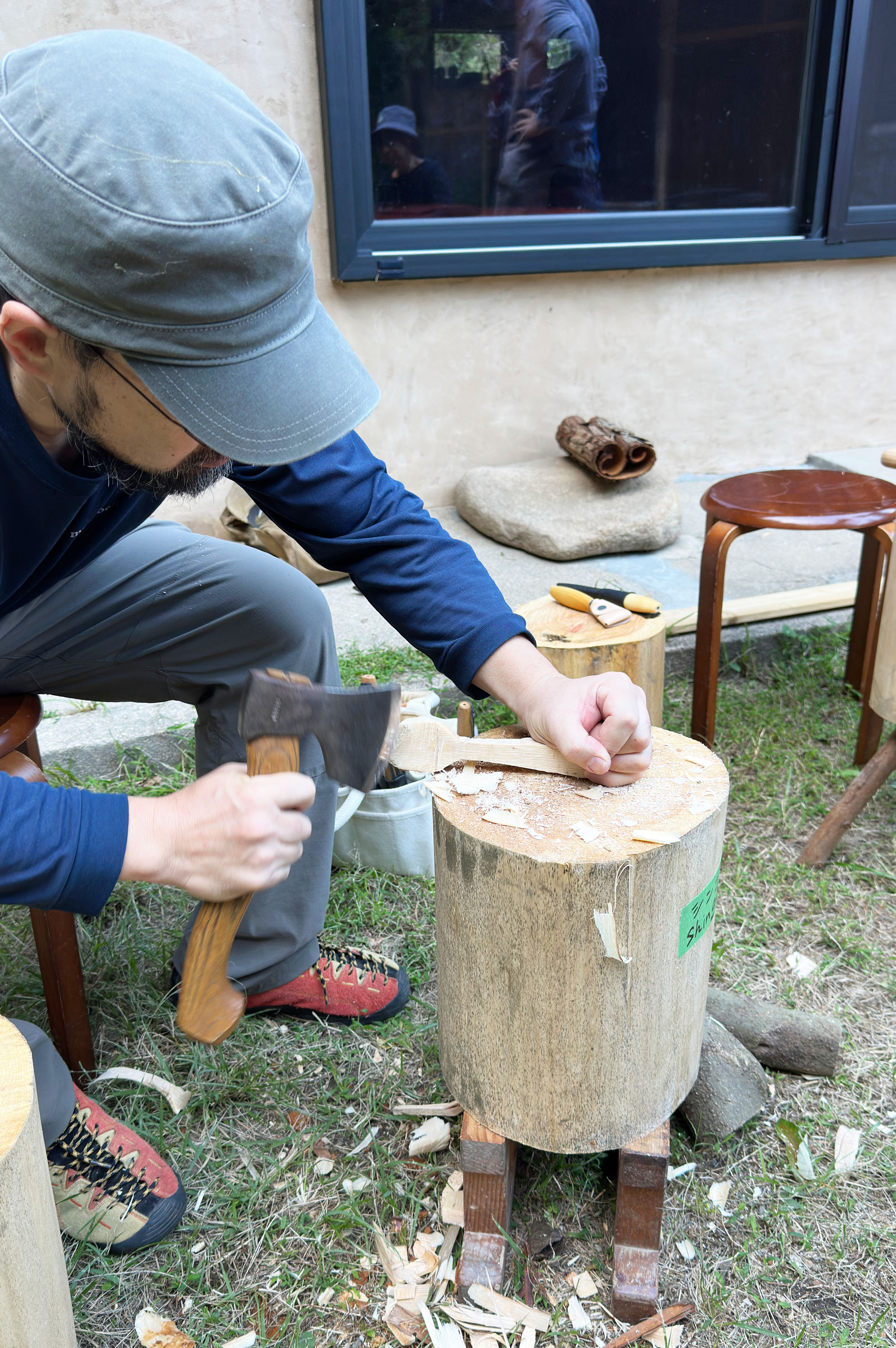
An additional, and wonderful, bonus on our trip to Nose was to take part in a green wood-working workshop led by Shingo Fukuhata, one of Japan’s most prominent green wood-workers (SEE IMAGES BELOW). The experience of crafting spoons from green timber which we had felled that day from the woods near the Center remains for us one of the most important markers of our time, and speaks clearly to the ethos which guides the Center, rooted firmly in both place and practice, and we are very grateful to Shingo Fukuhata for his tutoring, and to have had the privilege of witnessing his mastery of the craft.
Subsequent to our trip to Japan our new organisation Motor House Arts has received the official support of the William Morris Gallery, and we have also established dialogue with the Fukushima-based makers Ishinomaki Lab and their founder Keiji Ashizawa, and with the view to becoming part of their Made in Local initiative, a project started in 2014 as a way to bring Ishinomaki Lab’s design ethos and story of resilience to other countries and cultures around the world.
As an overarching new theme and guiding banner for our on-going work between the UK and Japan we have a new title for our partnerships: Ruskin in Practice. We look forward to working with all Companions as we strengthen these working bonds of dialogue and practice, and warmly welcome all new collaborative initiatives.
What the great maker-thinkers of the nineteenth century understood well still holds: that true craft is not a retreat from the world but a vital act within it. Our collaboration with Japan has given us renewed impetus to carry this tradition forwards, with the aim of building together a common practice of agency and renewal.
We are very grateful for all the invaluable help we received on our journey, and would especially like to thank the Board of the Guild, Simon Seligman, Martin Green, Peter Burman, Chiaki Yokoyama, Ikuko Kurasawa, Eiji Yoshida, Yoichiro Yamamoto, Shingo Fukuhata, to everyone at Team Clapton, to the team at the Community Design Learning Center, and to the Great Britain Sasakawa Foundation and The Guild for their generous support.
Bob Richmond, April 2026
Images from the workshop led by Shingo Fukuhata
Learning Through Making: The Ruskinian Vision in Everyday Life
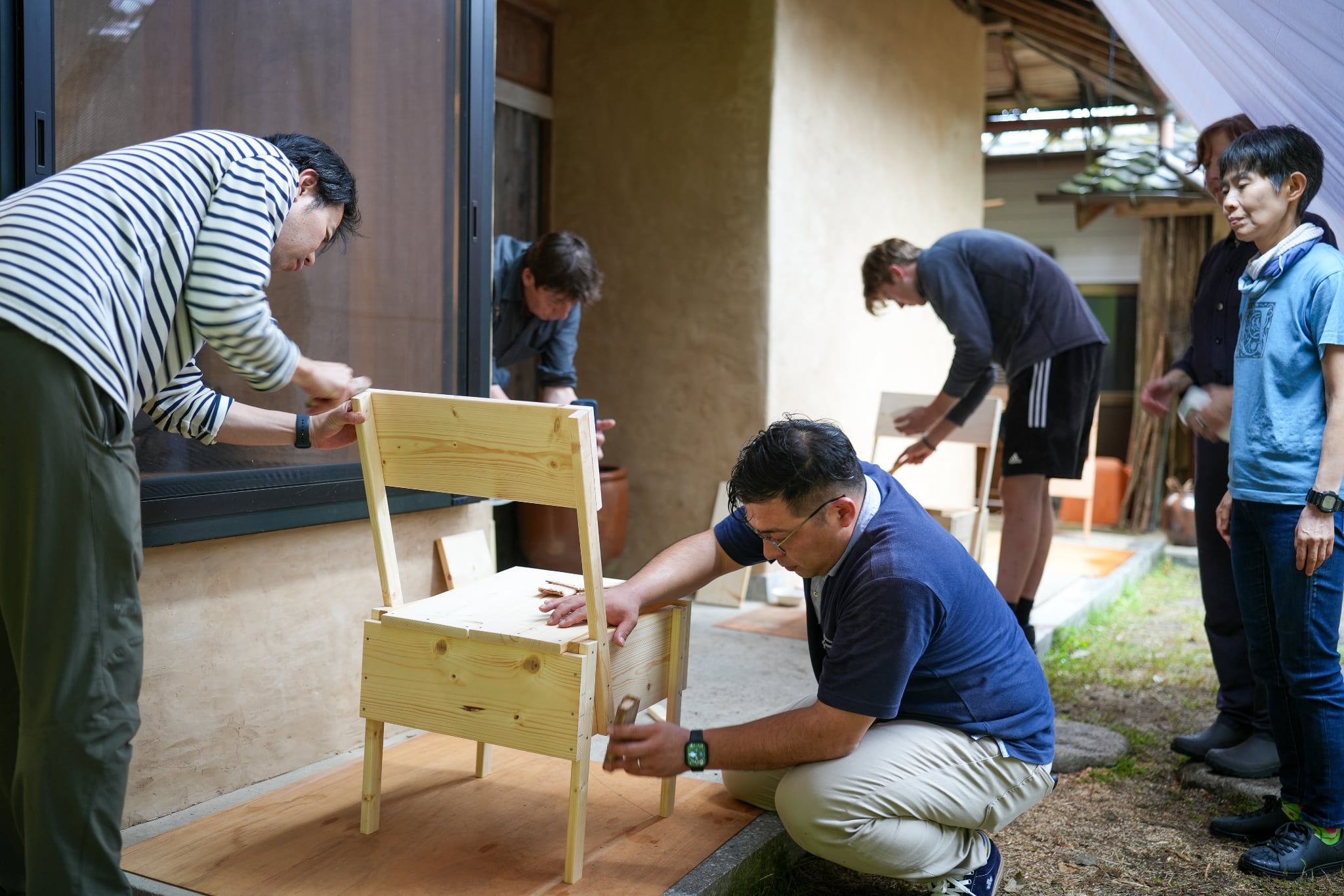
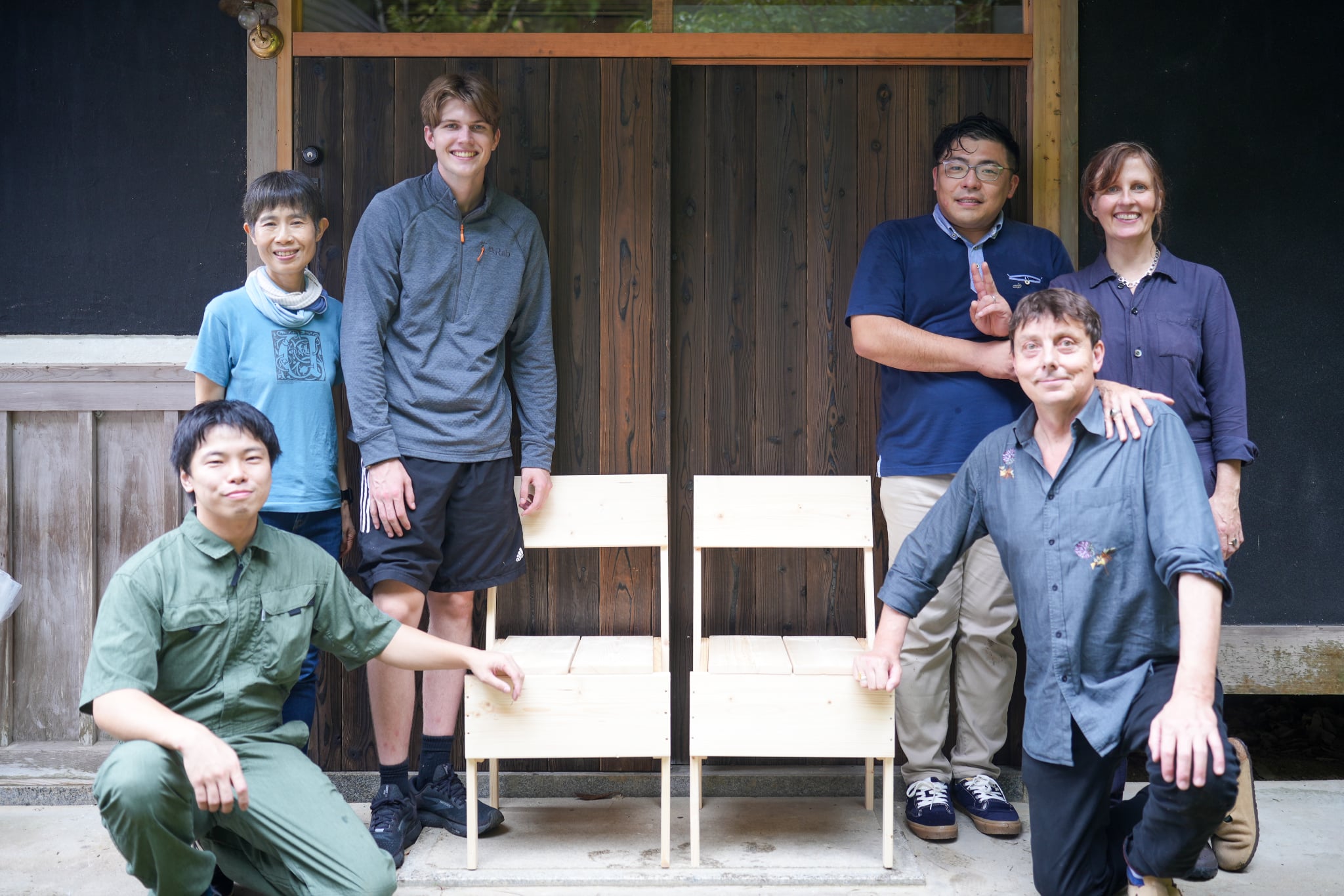
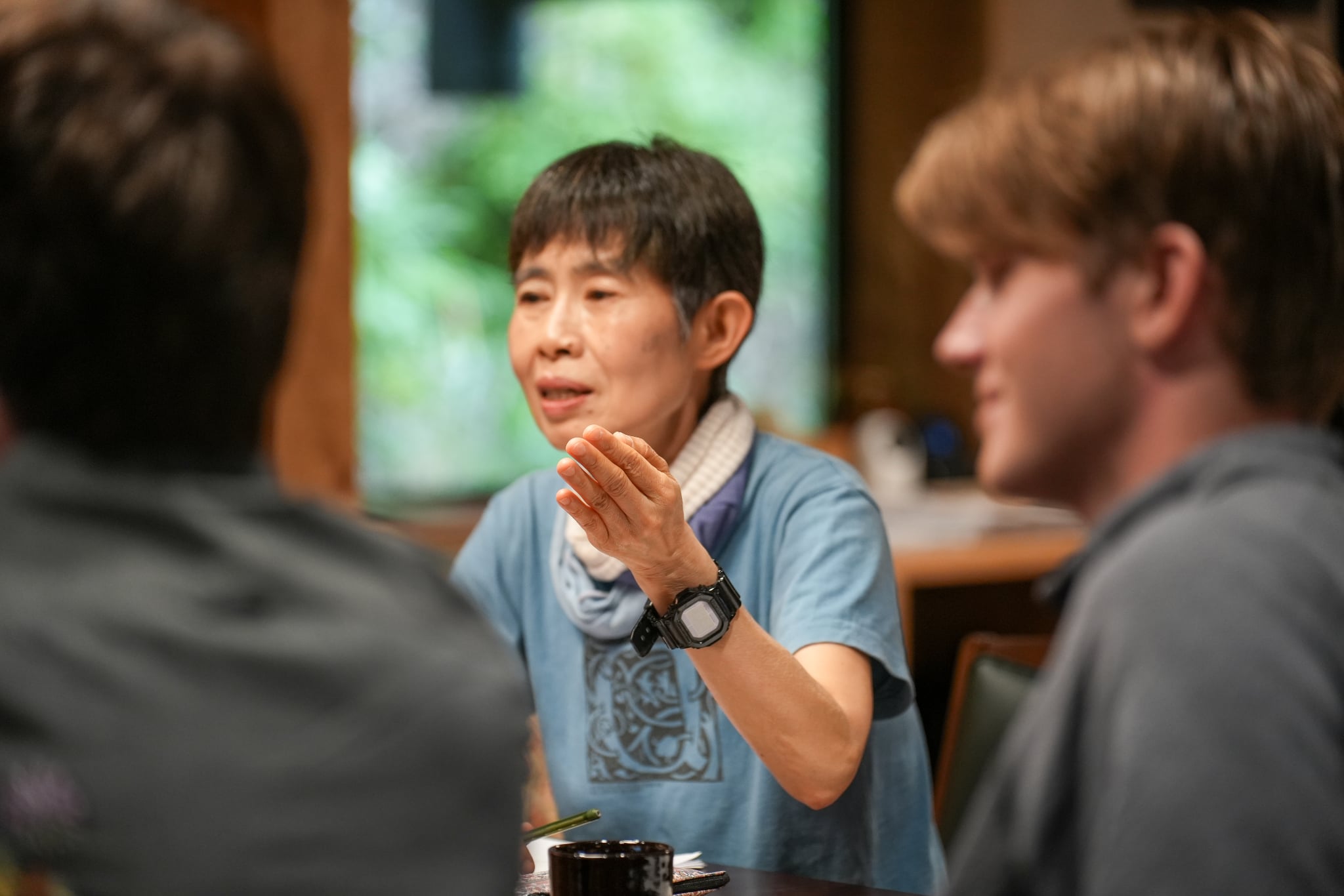
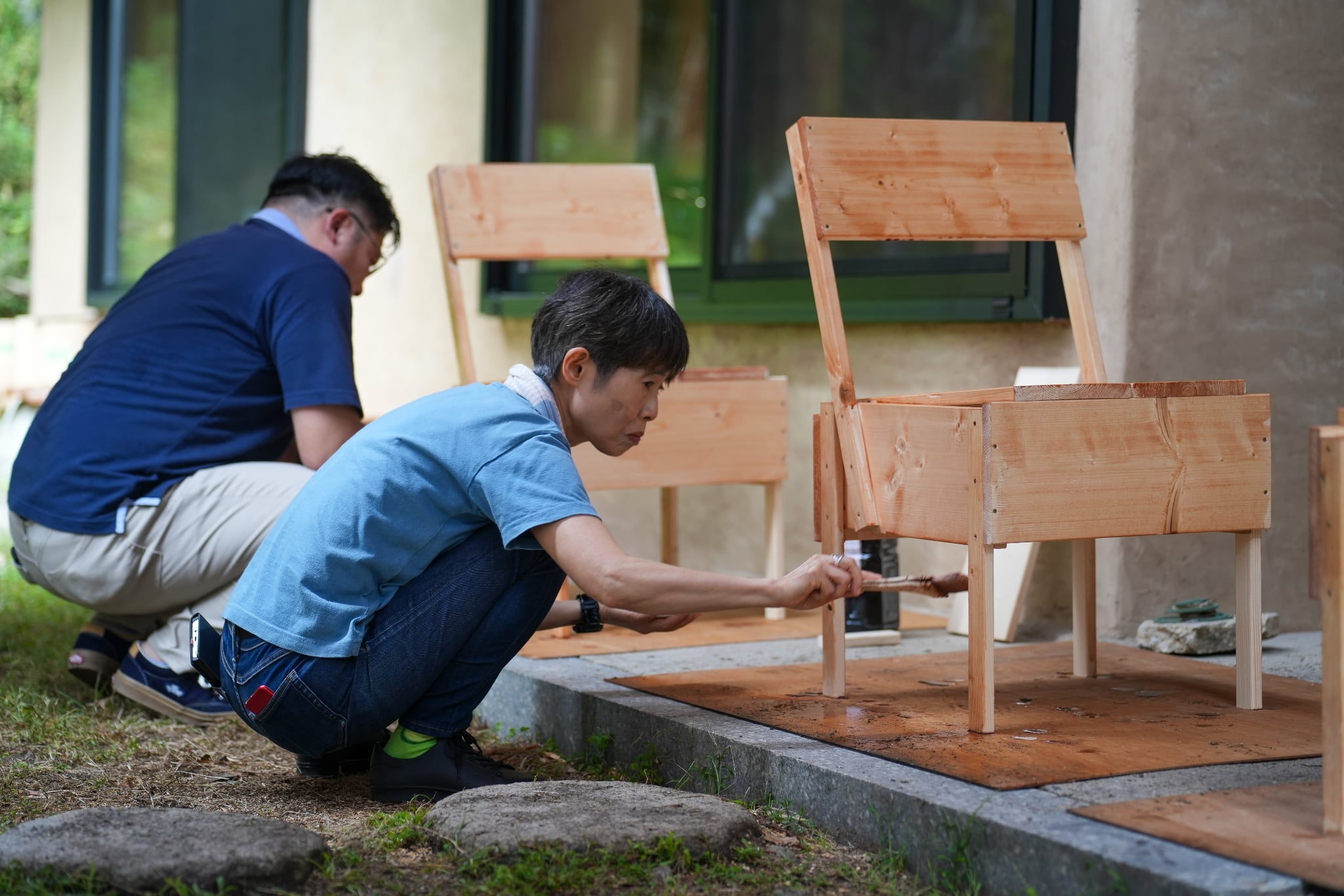
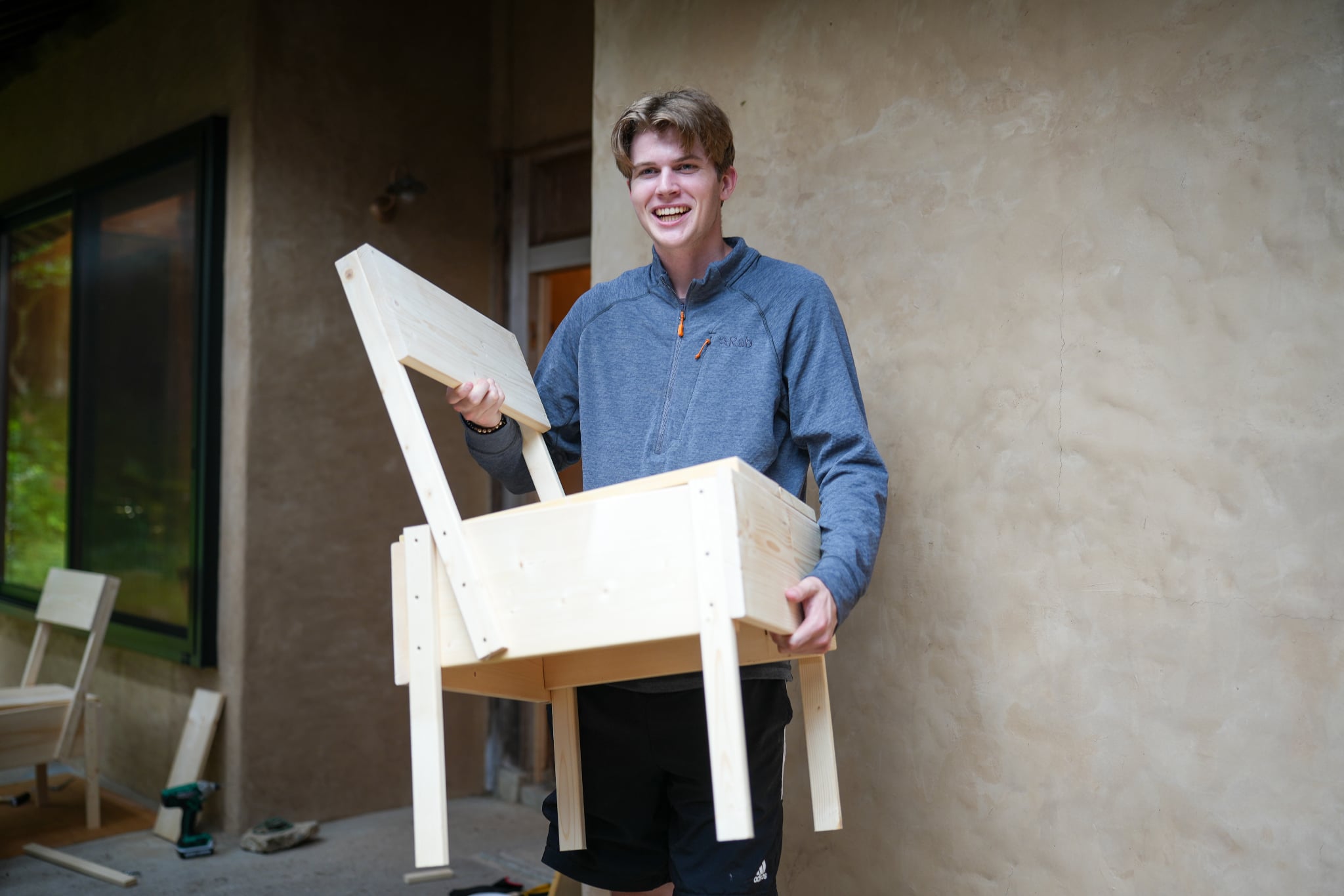
Bob Richmond and Clarissa Berning held two workshops at CDLC to create chairs based on the Autoprogettazione manual on October 11th and 12th. All the materials were purchased from a local DIY shop. Among the participants was a young father who had recently welcomed a baby boy, and he intended to make a chair for his son. The simple and sturdy construction of the chair, he said, would last for many years, and he planned to present it to the boy when he turned two.
As the work progressed, each small action became an expression of care. One nail, one brush of lacquer—each gesture seemed to carry his affection for the child.
The process itself seemed to embody what William Morris once called the joy of labour. Each board possessed its own character, and Bob and Clarissa cheerfully encouraged the participants to look closely at the materials before them. No two boards were the same. Their surfaces revealed distinctive patterns—circular burls and flowing wood grain. Some parts felt smooth, others slightly rough. “Just enjoy their character!” they said.
At one moment, the young father paused and said with delight, “These two burls look like eyes looking at us!” For a while, he simply held the piece of wood, almost as if greeting it, before placing it as the back of the chair.
After constructing the chair, he began carefully brushing lacquer not only on the surface but also on the back. Cheerfully, he murmured, “This will support my child for a long time.” When the first coat had dried, he patiently applied another, attending to the wood with quiet concentration. Watching him, I could vividly imagine a future scene: the boy enveloped in the embrace of the large chair. How much I wished that one day I could tell the child how his father had expressed and inscribed his love through this act of carpentry.
When the chair was finally finished, Bob quietly reminded him, “Don’t forget to put your name on the back.” After writing it, the young father looked slightly melancholic. “I really don’t want this wonderful time to end,” he said.
Perhaps this is the message Enzo Mari wished to convey: immerse yourself in making. In making something, we also make ourselves. The time, care, and affection invested in the work become part of the object itself. Encapsulated within the chair is a small history of love and labour, now waiting to begin its new life in the family’s home.
Ruskin is present in practice everywhere in our daily lives. If we begin to see things around us through Ruskin’s eyes, our whole perception can change profoundly. Look at our daily utensils not only as they are, but at the level of their materials: where do they come from? What kind of place produces them?
Think about the people who made them: what methods did they use? Does their craft provide them with a sufficient livelihood?
Think also about the people who give these objects to you: did they buy them, or make them? Or did you buy them yourself?
And look again at these utensils: can you feel warmth in them? Now, can you sense the care embedded within them? Would you like to stand on the other side yourself—as a creator, or as someone who supports the creator?
All these reflections can lead us into an entirely new understanding of our lives: our economy, our environment, our ethical thinking, our neighbours and others we have never met, and our identity within the thread that connects past and future.
Let us begin with a small step—one that may prove to be immense. This is both the polygon and the paragon of Ruskin.
Chiaki YOKOYAMA
USEFUL LINKS
The Ruskin & Morris Center
Homepage: https://osakarmc.org/
Instagram: https://www.instagram.com/ruskinmorriscenter/
Community Design Learning Center
Homepage: https://cdlc.osakarmc.org/
Instagram: https://www.instagram.com/cdlc.osakarmc/
________________________________________________
Motor House Arts - www.motorhousearts.com
studio-L - https://studio-l.org/
Ishinomaki Lab - https://ishinomaki-lab.org/en
Shingo Fukuhata's Instagram - https://www.instagram.com/shingo_fukuhata/